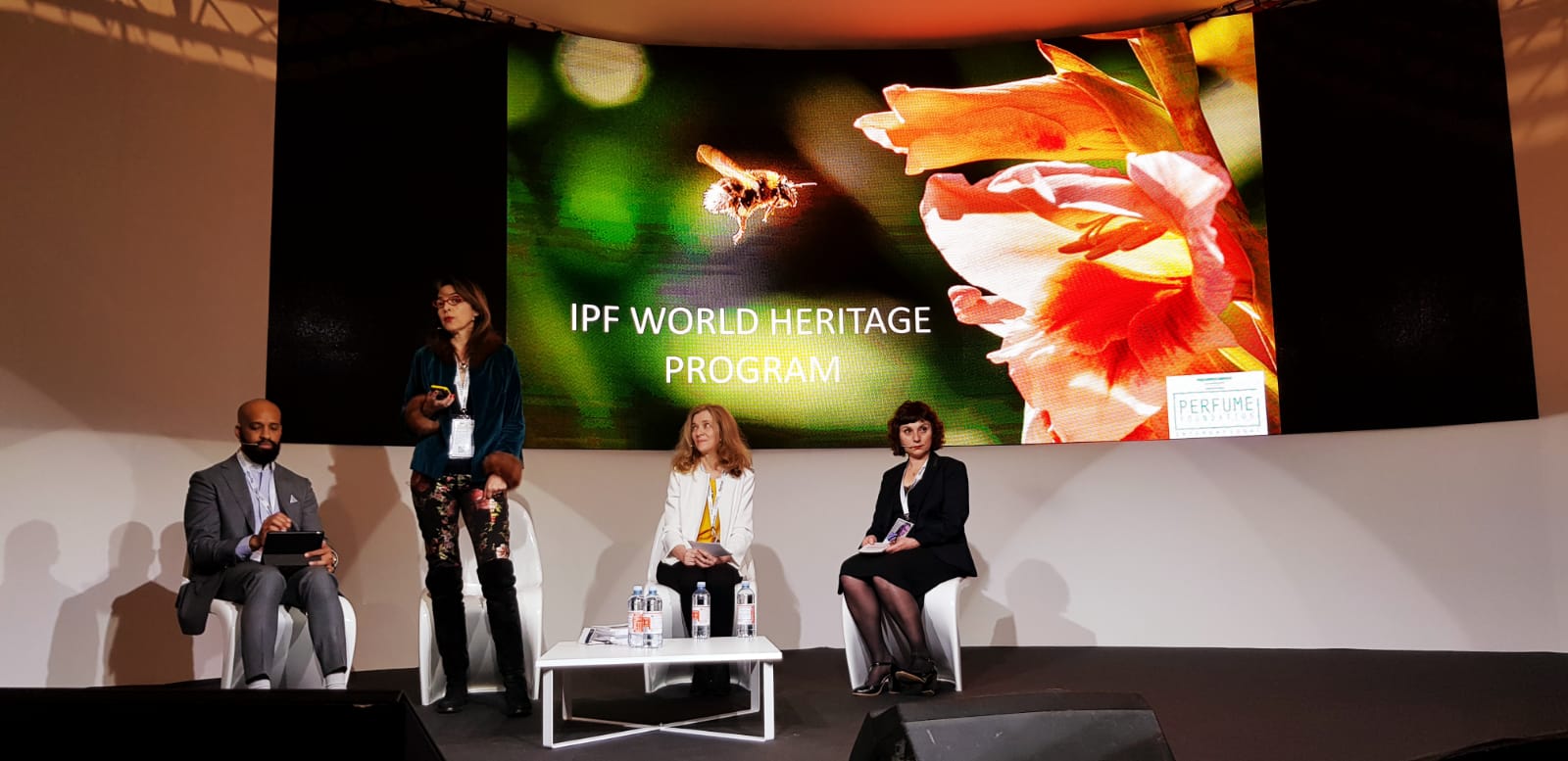
 By Terry Johnson, IPF Vice Chair For many years the International Perfume Foundation (IPF) has been very proactive in supporting bees as being critical for returning flowers to nature. Yet according to recent studies, this support is undermined by honey marketers who adulterate as much as 70% of the world’s supply of honey, making it the third most adulterated food, behind milk and olive oil. “Honey can be faked and adulterated in many different ways to fraudulently control the market,” according to the World Honey Market. “Common strategies include diluting the honey with sugars or syrups or feeding corn syrup to the bees rather than allowing them to forage for pollen.” The impact of this fake honey threatens domestic beekeepers’ existence, while bees are prevented from performing their key role as pollinators by fake honey factories, putting our entire food supply at risk. All because of the efforts to flood the US and EU honey markets with fake honey, primarily from China. Again, from the World Honey Market: “Beekeepers in the United Kingdom have been hit particularly hard. The U.K. received 47% of Europe's honey imports from China in 2018, but a Honey Authenticity Project lab analysis of 11 supermarket brands found that none complied with E.U. labeling standards.” 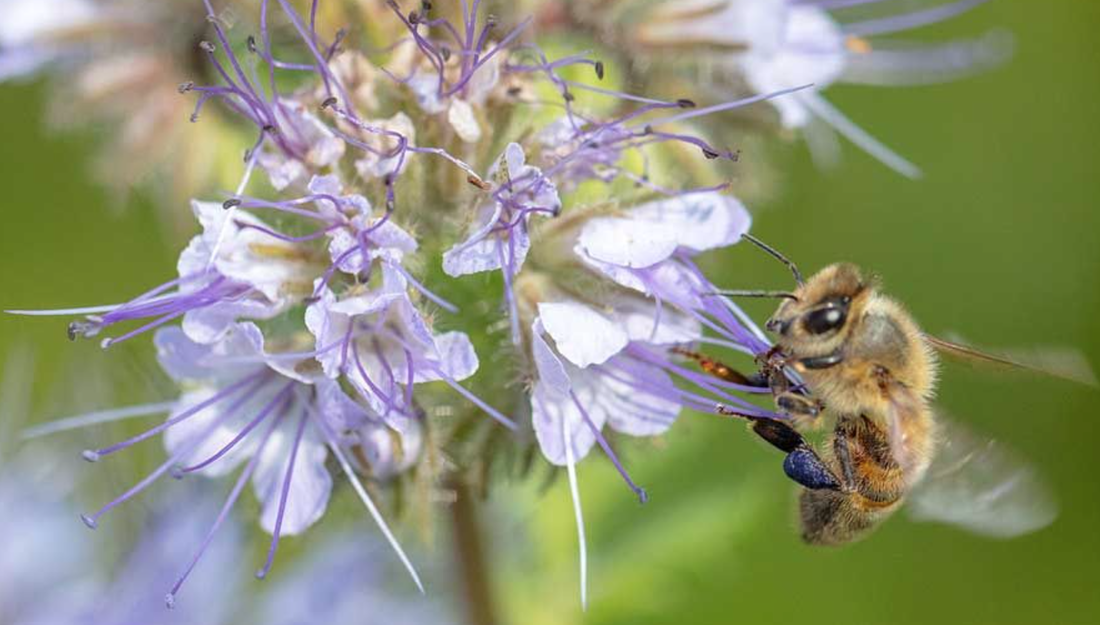 To summarize the issues involved:
0 Comments
 International Bee Day 2018 is April 29. Let's add colors to bee’s lives in replanting flowers and plants they like. If you don’t have a garden, add some plants or flowers on your balcony and a small cup of water for bees. Protect Honeybees Latest reports were telling that agricultural plays an important role in the development of the health of honeybees. It was found out that the overall health of honeybees is greatly influenced by production in agriculture. Many of our native plants require pollination to spread their seeds from plant to plant, and we depend on bees for agricultural production. They also provide a way to reconnect with nature. By keeping bees in our garden and farms, it's a way for us to engage with our natural environment. Everyone should contribute to the survival of bees Bees are important not only for their production of honey but also for the survival of our natural foods. Bees and other pollinators are part of our important eco-system allowing us to enjoy fruits and vegetables. Since regulators and politicians can play an important role in forbidding pesticides and promoting natural pest controls, then everyone has an important role to play in the protection of bees and pollinators. 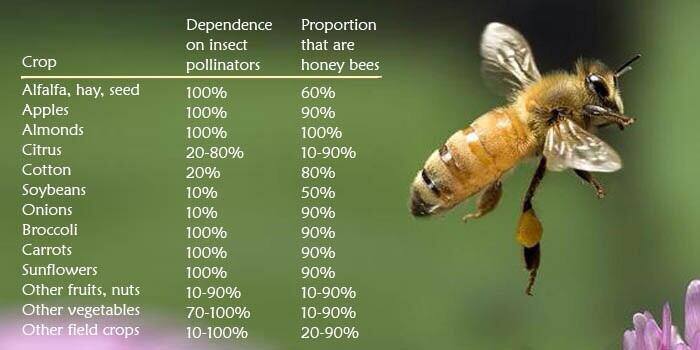 The lack of fragrant flower fields on Earth is becoming a real problem for the bees. Replanting flowers on the planet will also support the bee’s work. The Perfume Industry should take a huge responsibility in the current decline of bees. Perfume used to be made from flowers and there were thousands of flower fields all over the planet giving work to millions of people. Since the chemical industry took over the cosmetic industry, flower fields have been replaced by synthetics and brands are giving consumers the image of flowers instead of real flowers. Bees have a very powerful sense of smell, 100 times more powerful than a human’s. Honeybees use their antennae to detect odor. According to research by the National Institutes of Health, published in the "Genome Research" journal, honeybees have 170 odor receptors, or chemoreceptors, in their antennae. This is high for an insect -- fruit flies (Drosophila melanogaster) have 62 receptors and mosquitos (Anopheles gambiae) have 79. The honeybee’s sense of smell is so sensitive that it can detect the trace of a scent in flight. This ability equips the bee to effectively and efficiently locate pollen-rich flowers. Once the scent is detected on the antennae, the bee’s hypersensitive olfactory path processes the information, enabling the bee to determine the relevance of the scent to their search for pollen. Honeybees use their sense of smell to locate other bees and for finding food as well. In contrast to their highly developed sense of smell, the bee’s sense of taste is somewhat basic. They use their tongues, which contain taste buds, to detect sour, bitter and sweet -- the same range of taste detection that humans use -- but since they gather lots of information from smell, enabling them to taste before the pollen touches the tongue, they’ve effectively done all of the research necessary before the sustenance reaches their mouths. Since bees provide benefits to plants by means of pollination, plants have not evolved any defense mechanisms against bees. This means that no plants produce distasteful or harmful pollen. 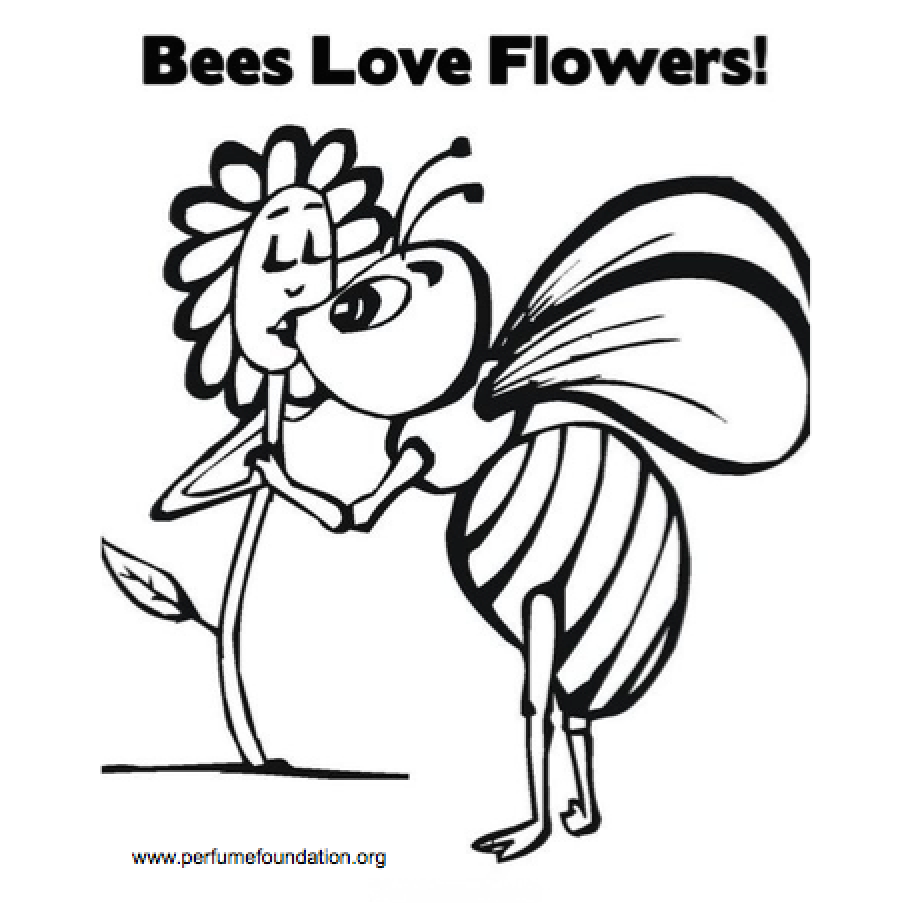 In asking for Natural Perfumes, you can help the bees
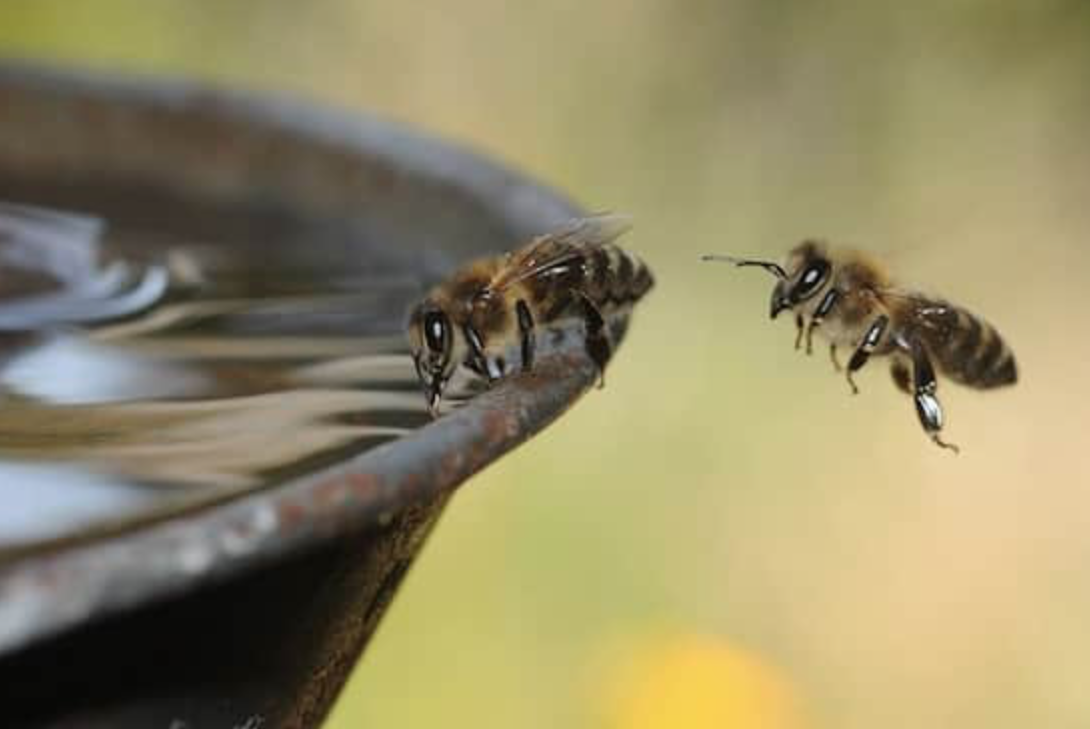
In asking for Natural Perfumes, you can help change the whole perfume industry distribution chain. Asking for Natural Perfumes is, in effect, is asking the perfume industry to return to replanting flowers and plants instead of producing synthetic copies of flowers for perfumes in laboratories. Creating our own little garden could also be a beautiful gift for bees. Gardens are healing since plants have beneficial effects on human beings. Creating our own gardens in our back yards or on our balconies will help us to reconnect with nature and make a beautiful invitation for bees and other pollinators. Bees can also be thirsty, so add a small cup of water for them. As strong thoughts are very powerful too, meditate for the bees and visualize them in their full happiness. Join us every year on April 29 to celebrate Bee Day. Send us your activities for Bee Day and we will publish them. Join our Facebook Group To learn more about the important connection with natural foods, natural perfumes, flower fields and bees join our Bee group on Facebook Friends who like International Perfume Foundation like Bees Donate to the International Perfume Foundation to support the flower field replanting program (World Perfume Heritage) for the bees. |
AuthorsAuthors are gardening and essential oils experts in a variety of categories including distillation, plants healing and cleansing properties. Archives
May 2023
Categories
All
|
- Home
- Introduction
- Choose your Plan
-
Choose your Plants
- Alecost
- Anchusa
- Angelica
- Balkan Sage
- Balm
- Basil Sweet & Bush
- Bergamot
- Borage
- Calaminth
- Camphor Plant
- Caraway
- Catmint
- Chamomile
- Chervil
- Chives
- Clary
- Comfrey
- Coriander
- Dill
- Elecampane
- Fennel
- Fennel Florence
- Feverfew
- Garlic
- Germander
- Giant Catmint
- Herb Patience
- Horehound
- Hyssop
- Lad's Love
- Lady's Maid
- Lavender
- Lily of the Valley
- Lovage
- Lungwort
- Mace
- Mallow
- Marigold
- Marjoram
- Melilot
- Mints
- Old Lady
- Parsley
- Pennyroyal
- Rose
- Rosemary
- Rue
- Sage
- Salvia Virgata Nemorosa
- Santolina Chamaecyparissus
- Savory
- Sorrel
- Sweet Cicely
- Tansy
- Tarragon
- Thyme
- Vervain
- Woad
- Wormwood
- Workshops
- Q & A
- Blog
- Contact
 RSS Feed

- Home
- Introduction
- Choose your Plan
-
Choose your Plants
- Alecost
- Anchusa
- Angelica
- Balkan Sage
- Balm
- Basil Sweet & Bush
- Bergamot
- Borage
- Calaminth
- Camphor Plant
- Caraway
- Catmint
- Chamomile
- Chervil
- Chives
- Clary
- Comfrey
- Coriander
- Dill
- Elecampane
- Fennel
- Fennel Florence
- Feverfew
- Garlic
- Germander
- Giant Catmint
- Herb Patience
- Horehound
- Hyssop
- Lad's Love
- Lady's Maid
- Lavender
- Lily of the Valley
- Lovage
- Lungwort
- Mace
- Mallow
- Marigold
- Marjoram
- Melilot
- Mints
- Old Lady
- Parsley
- Pennyroyal
- Rose
- Rosemary
- Rue
- Sage
- Salvia Virgata Nemorosa
- Santolina Chamaecyparissus
- Savory
- Sorrel
- Sweet Cicely
- Tansy
- Tarragon
- Thyme
- Vervain
- Woad
- Wormwood
- Workshops
- Q & A
- Blog
- Contact